How to Read Your Payslip When Your Hours Vary
Variable hours make payslips harder to verify. Here's what to check every payday to catch underpayments before they become a pattern.
Shyft Team
7 April 2026
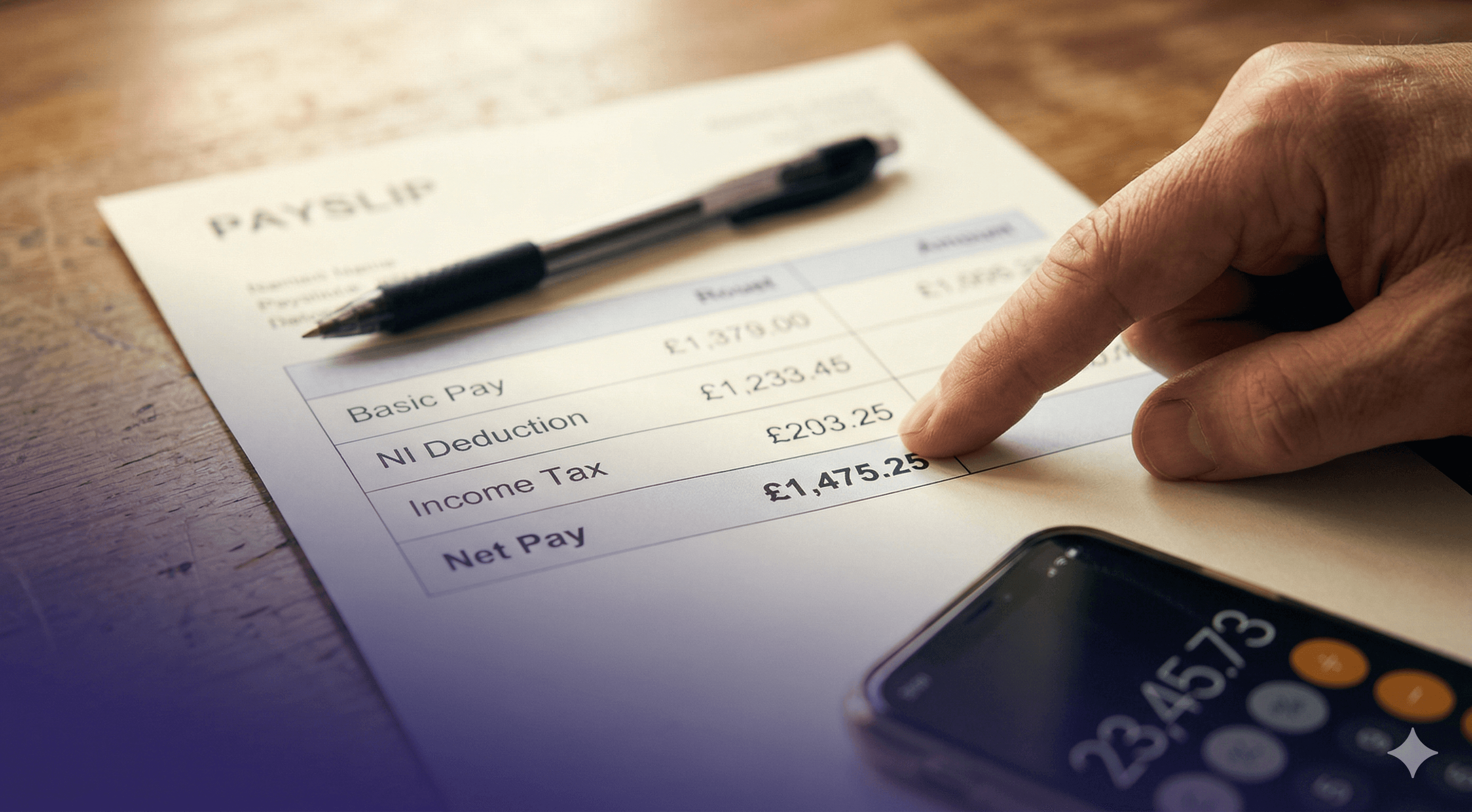
How to Read Your Payslip When Your Hours Vary
If you work the same hours every week, checking your payslip is easy - same number, same tax, done. When your hours change every week, it's a different story.
Variable-hours payslips are harder to verify, and errors are easier to miss. That's a problem, because payroll mistakes are more common than most people expect - and they almost never get corrected unless you flag them.
Here's what to check every time.
Confirm the hours match what you actually worked
The single most important check: your payslip should show the hours you were paid for. Compare that against your own records - whether that's a shift log, a calendar, or a tracking app.
This sounds obvious, but it's the most common source of underpayment. A missed shift upload, a rounding error on clock-out times, or a system glitch can shave fractions of hours across multiple pay periods. Individually small; cumulatively significant.
If you don't have your own records, start keeping them now. Your employer's records are not always available to you when you need them.
Check that the hourly rate is correct
Confirm your gross pay divided by hours worked equals your contracted hourly rate. If the numbers don't add up, check whether:
- A different rate was applied for certain days or shift types
- Bank holiday rates, overtime rates, or unsocial hours premiums applied (and whether they should have)
- A rate change took effect mid-period and was applied inconsistently
Some discrepancies are legitimate - a different rate for a different shift type. Others aren't. Know which applies to you.
Understand each deduction line
UK payslips are required to itemise deductions. You should see:
- Income Tax - calculated on a cumulative basis using your tax code. If your tax code has changed without explanation, contact HMRC.
- National Insurance - calculated per pay period, not cumulatively. The amount will vary with your earnings.
- Pension contributions - if you've been auto-enrolled, your employer deducts your contribution and adds their own. Both should be visible.
- Any other deductions - these must be itemised. Unlabelled or unexplained deductions are worth querying.
If a deduction seems too large, check whether a previous period's shortfall is being recovered, or whether the pay period is unusual in length.
Check your tax code
Your tax code determines how much tax-free income you're entitled to in a given year. The most common code is 1257L, which gives a standard personal allowance. If your code is different, there may be a reason - a previous underpayment being collected, a benefit in kind, or simply a HMRC error.
You can check and update your tax code via your personal tax account at gov.uk. Getting it wrong means overpaying or underpaying tax, both of which create headaches later.
What to do when something looks wrong
Don't ignore a payslip that doesn't add up. Start with your payroll team or manager - most errors are genuine mistakes and get corrected quickly when flagged promptly.
If the issue isn't resolved, or if you believe you've been systematically underpaid, you can:
- Raise a formal written grievance
- Contact ACAS for free, impartial advice
- Submit a claim to an Employment Tribunal (for NMW breaches, within 3 months of the underpayment)
The key is to act quickly. Disputes are easier to resolve close to when they happen, and there are time limits on formal claims.
Build a simple monthly habit
Payslip checking doesn't need to be complicated. Once a month - or once per pay period - spend five minutes on three checks:
- Do the hours match my records?
- Does gross ÷ hours = my rate?
- Are all deductions labelled and roughly expected?
That's usually enough to catch anything significant before it compounds.
Your payslip is a legal document. You're entitled to query it, and you're entitled to get it right.